
- Summary
- Fact Sheet
- Project Details
This project explores the potential of Saccorhiza polyschides, a brown macroalga, as a third-generation biomass source for sustainable bioethanol production. Developed by Master’s students at the Polytechnic University of Leiria, it responds to the urgent global need for renewable energy solutions that do not compete with food production or require agricultural land.
By leveraging the alga’s high carbohydrate content, the project proposes a bioethanol production method involving hydrolysis, fermentation, and distillation. Organic waste is repurposed as fertiliser, supporting a circular economy approach.
The project supports SDGs 7, 11, 12, and 13 by reducing greenhouse gas emissions, promoting energy sustainability, and fostering responsible production. It is highly transferable, with potential application in coastal regions globally, and contributes to innovation in biotechnology and renewable energy sectors.
Challenge
There is an urgent need to find sustainable alternatives to fossil fuels. With the continuous rise in fossil fuel consumption and the associated environmental impacts, such as global warming, there is a pressing need to develop renewable energy sources. This project aims to contribute to reversing the trajectory of global warming by producing bioethanol from the brown macroalga Saccorhiza polyschides, thereby providing a cleaner and more sustainable energy source.
Target Groups:
The target group for this project includes biotechnology companies, the private sector, and international organizations such as the United Nations Development Programme. The beneficiaries extend to the global community, as the project supports Sustainable Development Goals (SDGs) 7 (Affordable and Clean Energy), 11 (Sustainable Cities and Communities), 12 (Responsible Production and Consumption), and 13 (Climate Action). By developing a sustainable bioethanol production process, the project aims to benefit society by reducing reliance on fossil fuels, lowering greenhouse gas emissions, and promoting environmental sustainability.
Solution
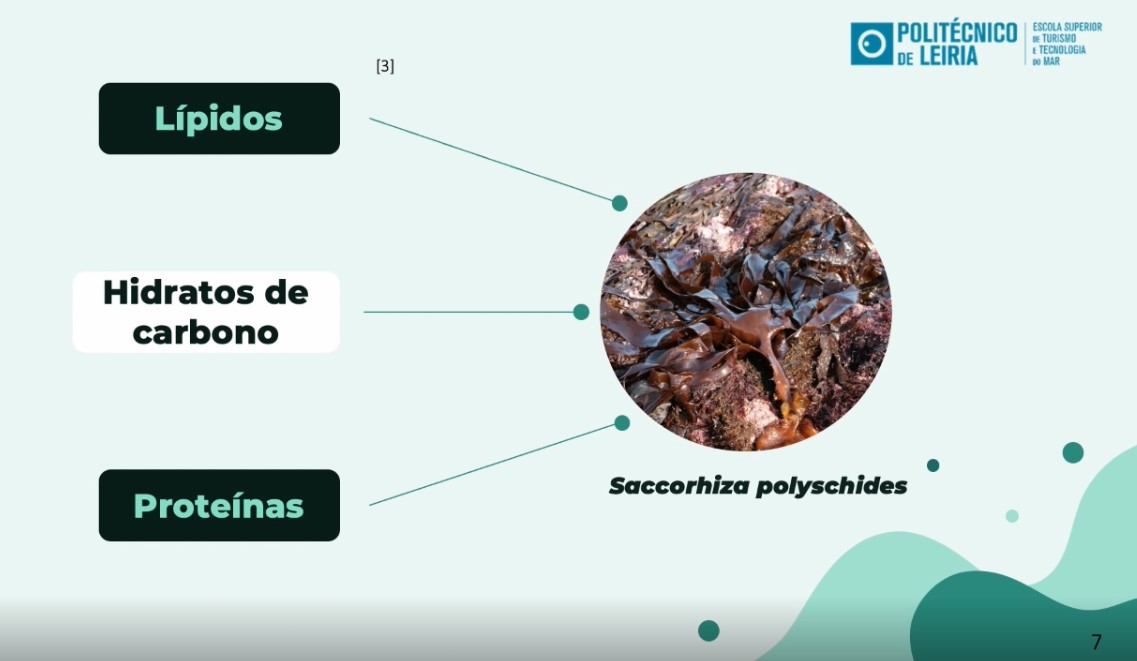
The solution proposed involves the production of third-generation biofuels from the brown macroalga Saccorhiza polyschides. This species is chosen due to its high carbohydrate content, which can be efficiently converted into bioethanol. The process includes the hydrolysis of polysaccharides to obtain fermentable sugars, followed by fermentation and distillation to produce ethanol. Additionally, the organic waste generated during fermentation can be repurposed as fertilizer, promoting a circular economy and reducing waste.
Unique Selling Point
The unique selling point of this project lies in its use of Saccorhiza polyschides, a brown macroalga that offers several advantages over traditional biofuel sources. Unlike crops used for biofuel production, Saccorhiza polyschides does not compete for agricultural land or require fresh water, making it a more sustainable option. Furthermore, brown macroalgae produce higher concentrations of bioethanol compared to green or red algae, with yields between 23 and 29 grams per liter. This high efficiency, combined with the species’ rapid growth rate and high bioavailability, positions it as a superior raw material for bioethanol production.
Impact
The impact of this project is multifaceted. Environmentally, it contributes to reducing greenhouse gas emissions and mitigating climate change by providing a renewable alternative to fossil fuels. Economically, it supports the growth of the biofuels market, which is projected to reach 9 billion euros by 2025. Socially, it promotes sustainable practices and aligns with global efforts to achieve the SDGs. The project also fosters innovation in biotechnology and renewable energy sectors, potentially leading to new job opportunities and economic development.
Feasibility and Transferability
The feasibility of this project is supported by existing regulations and market trends. In Portugal, the harvesting of wild algae for commercial purposes is regulated, ensuring sustainable sourcing of Saccorhiza polyschides. The technology required for bioethanol production from macroalgae is already in use, with pilot projects like the Sea Gas Project demonstrating its viability. While there are challenges such as technological development and market acceptance, the advantages of using macroalgae, including fast growth rates and waste valorization, enhance the project’s feasibility.
The transferability of this project is high, as the technology and processes can be adapted to different regions with access to similar macroalgae species. By sharing knowledge and best practices, other countries can replicate the model, contributing to global efforts to develop sustainable energy sources and reduce dependence on fossil fuels.
This student project is submitted through:
School of Tourism and Maritime Technology, Polytechnic University of Leiria
Author: D Godinho, M Matias and R Cerqueira
Project video: Watch Here